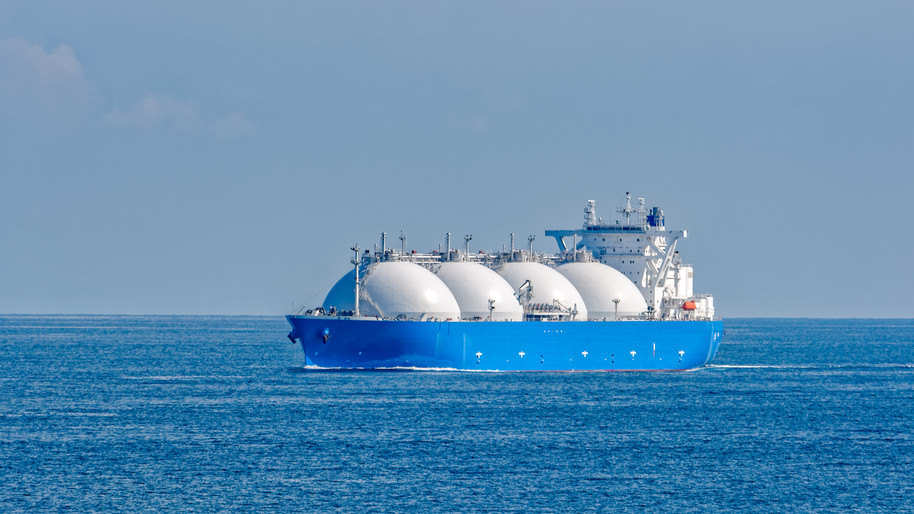
A tanker carrying liquefied gas struck a naval mine and suffered an explosion in the Strait of Hormuz on Friday, Iran's Revolutionary Guards navy said, in the latest attack on shipping through the world's most important energy chokepoint. The vessel was using what the Guards described as an unauthorised and dangerous route, and had ignored repeated warnings, according to Iranian state media cited by Reuters.
No details about the tanker were immediately available. The incident came a day after the Iranian military said four oil tankers had been hit by explosions in the waterway. Two supertankers were disabled by explosions on Wednesday after ignoring warnings against using what Iran calls a restricted route, and two more tankers hit mines on Thursday afternoon while sailing through the eastern strait with their radar systems switched off, state television reported. Reuters said it could not immediately verify the Iranian account.
A sharp escalation
The attacks have intensified sharply in recent weeks. At least 10 ships were hit in the first 10 days of November, after 37 attacks in October — the highest monthly tally since the conflict began in late February, according to data from the Washington Institute for Near East Policy. The United Kingdom Maritime Trade Operations agency said a vessel was hit by an unidentified projectile about 14 nautical miles northwest of the UAE emirate of Ras Al-Khaimah on Wednesday, causing a fire in its engine room.
Iran imposed restrictions on the strait on February 28, following the US-Israeli attacks on the country. Tehran says vessels must follow authorised routes and has repeatedly warned that the route near Omani waters is unsafe, with naval mines a risk for ships that stray from it.
Energy flows under strain
The Strait of Hormuz carries a large share of the world's seaborne oil and liquefied natural gas, and the attacks come even as traffic through the waterway had been rebounding. Data from Kpler showed exports of liquefied natural gas via the strait last month reached their highest total since February, at 31 tankers, compared with 23 in September — a recovery that reflected expectations of de-escalation in the US-Iran confrontation and had helped push oil prices lower.
That fragile recovery is now under renewed strain. Shipowners, insurers and energy traders will be watching whether the latest incidents deter vessels from the strait or push up the cost of moving fuel through it. For now, the pattern is clear: despite talk of de-escalation, the attacks on tankers have not stopped — and the world's busiest oil artery remains a front line.

Comments (0)
No comments yet — be the first to share your view.