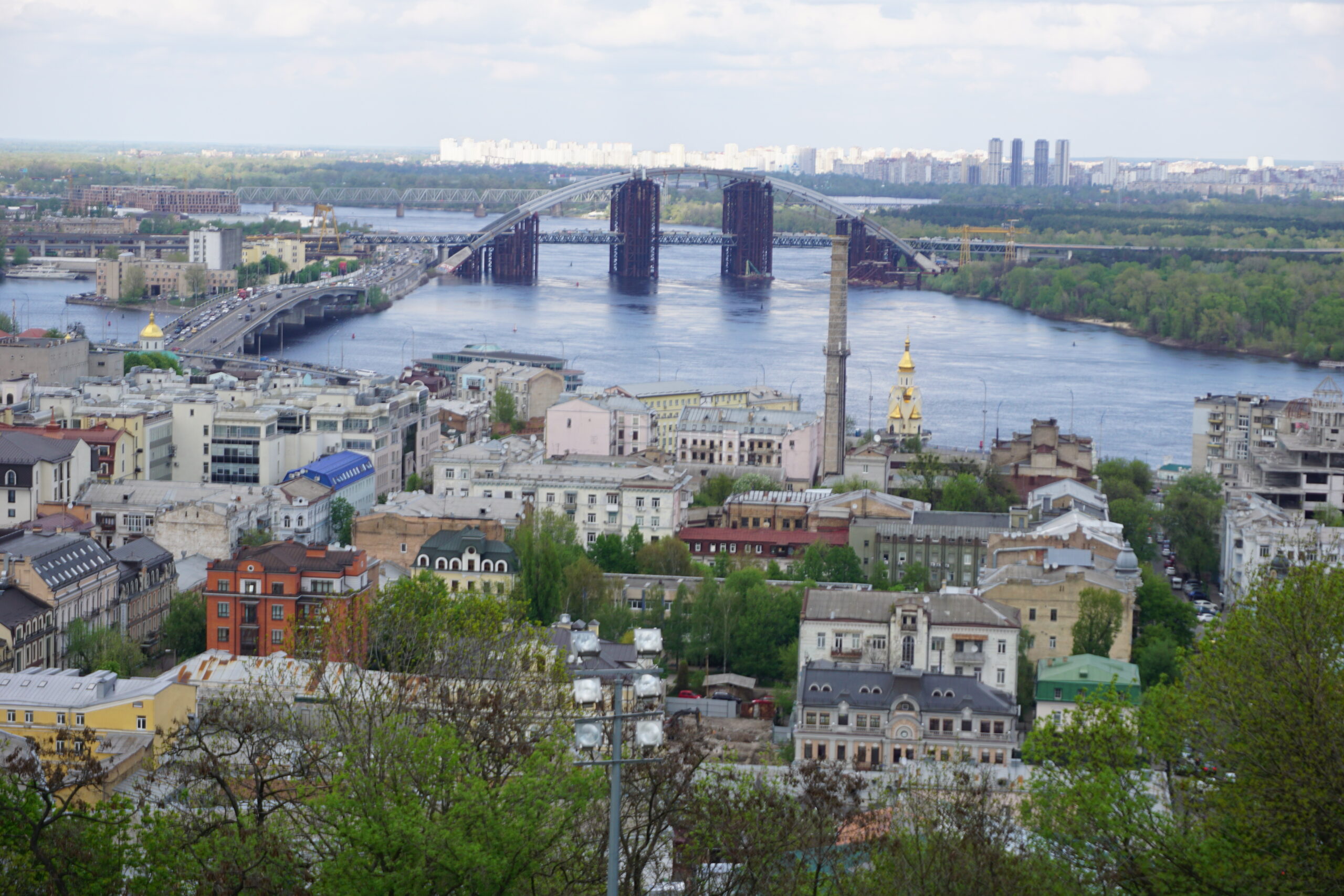
Russian forces struck two major bridges crossing the Dnipro River in Kyiv late on Monday, damaging critical infrastructure and disrupting water, heating and electricity supplies in parts of the Ukrainian capital, Kyiv Mayor Vitali Klitschko said.
Klitschko wrote on Telegram at about 11:45 p.m. local time that preliminary information indicated hits on the North and South bridges — two of the city's principal road crossings over the river. He later reported interruptions to water and heating supplies in some districts, along with power cuts. No casualty figures or comprehensive damage assessment had been released by the time of publication.
Reuters witnesses in the capital reported a series of loud explosions, and AFP journalists heard several strong blasts. Air defence units were active over the city. Reuters said it could not immediately independently confirm the reports of hits on the bridges. Russia and Ukraine deny deliberately targeting civilians.
A wider wave of strikes
The Kyiv strikes came during a wider wave of Russian drone and missile attacks across Ukraine on Monday night. Explosions were also reported in Smila, Kharkiv, Zaporizhzhia, Dnipro, Cherkasy and Pavlohrad. A Russian missile attack injured three people in the Cherkasy region, local officials said, and also targeted Kharkiv, Ukraine's second-biggest city.
The energy group DTEK said an attack on energy facilities in the region had left the city of Dnipro completely without electricity. In Kharkiv, attacks on electricity infrastructure caused major voltage drops, forcing emergency restrictions across the city.
President Volodymyr Zelenskyy had warned earlier on Monday that intelligence showed Russia's military planned strikes for Monday evening and throughout Tuesday. Unverified monitors estimated more than 60 missiles were involved, including Iskander ballistic missiles and Kalibr cruise missiles.
Bridges targeted before
The Dnipro crossings have been targeted before. Russian forces carried out drone strikes that damaged the road surfaces of the North and South bridges in early October and again earlier this month, disrupting traffic across the city.
The strikes came hours after Ukraine held new peace talks with US and European officials, and as the war grinds toward another winter in which energy infrastructure has become a central target. With temperatures falling, attacks on heating, water and power supplies carry particular weight for Kyiv's three million residents.
Ukraine's air force has said its shortage of Patriot interceptors prevents the routine use of two missiles against a single ballistic target, underlining the strain on the country's air defences as Russia steps up its campaign against cities and the power grid.
For now, the confirmed details of Monday night's attack remain preliminary, and the full consequences — including the extent of the damage to the bridges and how long repairs and restoration of services will take — are still unclear.



Comments (0)
No comments yet — be the first to share your view.