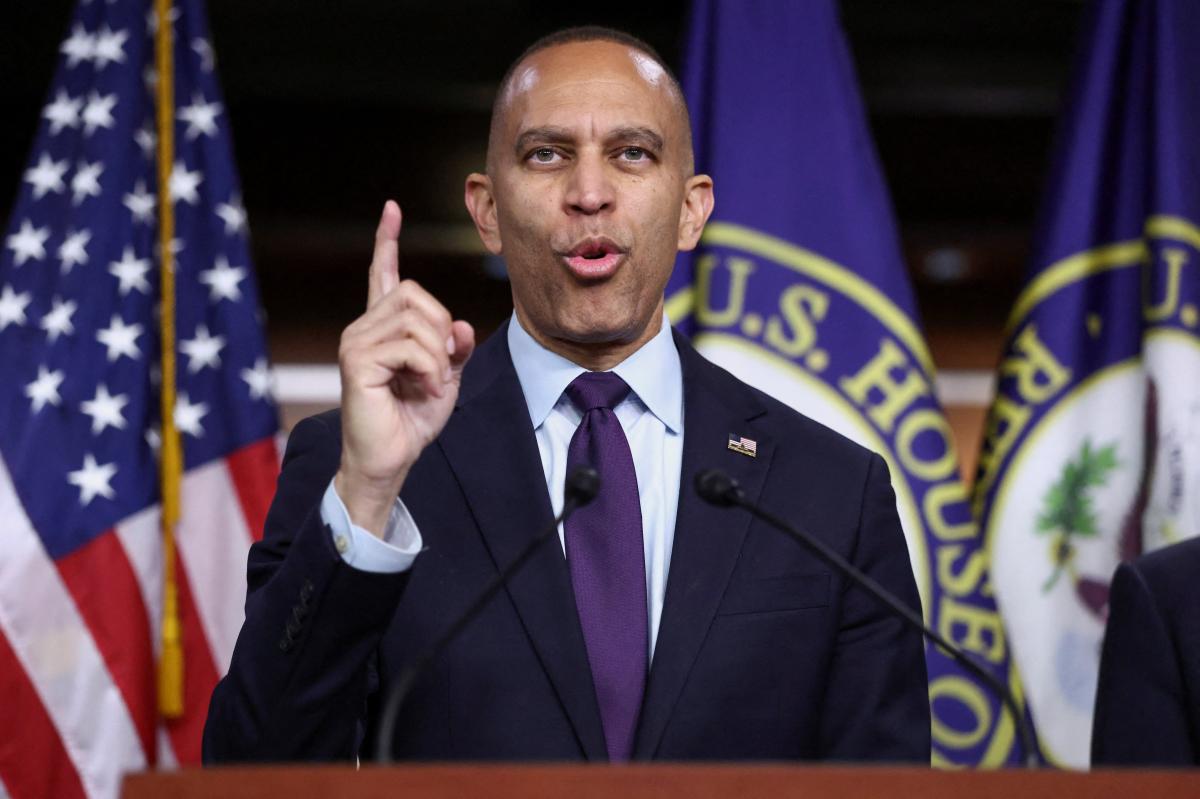
House Democrats on Wednesday nominated Hakeem Jeffries to be Speaker of the House, putting the 56-year-old New York congressman on track to make history as the first Black lawmaker to hold the gavel in American history.
Mr. Jeffries won the nomination in a closed-door, secret-ballot vote of the Democratic caucus, 251 to 11, with two members not voting. He ran unopposed for the nomination, which was formally put forward by five Democrats representing different wings of the caucus, including veteran South Carolina lawmaker James Clyburn.
The full House will vote for Speaker when the new Congress convenes on January 3, 2027. Mr. Jeffries will need a simple majority of 218 votes to take the gavel. Because Democrats won back the House majority in the midterm elections, his election is widely expected, though the floor vote remains the formal step.
A historic first — and a restive party
If elected, Mr. Jeffries would become the first Black Speaker since the first Black lawmaker was elected to the House more than 150 years ago. He has led House Democrats since 2023, when he succeeded Nancy Pelosi as the party's leader in the chamber, and he would head a leadership team that is itself full of firsts: Katherine Clark of Massachusetts would become the first woman to serve as majority leader, and Pete Aguilar of California the first Latino majority whip.
The nomination was not without friction. Although Mr. Jeffries ran unopposed, 11 Democrats voted against him, and seven of them issued a joint statement afterwards — a sign of the restlessness within a party eager for change after its midterm victory. Mr. Jeffries had chosen to seek a recorded ballot rather than nomination by acclamation, following the approach Democrats took in 2018, the last time they won back the House — a decision that put his doubters on the record.
What comes next
The Speaker is second in the line of succession to the presidency, after the vice president, and controls the House's legislative agenda — which bills reach the floor, which committees investigate, and how the chamber responds to the White House. With Democrats retaking the majority after voters ousted Republicans in a rebuke of President Donald Trump and his party, the speakership will be central to the opposition's strategy in the second half of Mr. Trump's term.
On the floor in January, Mr. Jeffries is expected to face incoming Republican leader Jim Jordan of Ohio as the main rival candidate. Between now and then, he must hold his caucus together — including the members who voted against him — and set out the legislative priorities he intends to pursue from the Speaker's chair.
For now, the nomination marks a milestone in American politics: a Brooklyn-born former state lawmaker who entered Congress in 2013 is one floor vote away from one of the most powerful offices in Washington.


Comments (0)
No comments yet — be the first to share your view.