India and Japan held the fourth edition of their Foreign and Defence Ministers' Dialogue — the 2+2 — in Tokyo on Thursday, with the two countries reviewing the full spectrum of their strategic and defence cooperation at a time of sharpening security concerns across the Indo-Pacific.
Defence Minister Rajnath Singh and External Affairs Minister S. Jaishankar co-chaired the dialogue with their Japanese counterparts, Defence Minister Shinjiro Koizumi and Foreign Minister Toshimitsu Motegi. The talks covered defence equipment and technology collaboration, maritime security, joint military exercises and closer cooperation between the two countries' defence industries, and were expected to include discussion of stability in the Indo-Pacific and the Strait of Hormuz.
A partnership built over a decade
The 2+2 format, which brings the foreign and defence ministers of both countries to the same table, is the highest-level mechanism in the India-Japan relationship after the leaders' summit. The previous round was held in New Delhi in August 2024. Officials describe the partnership as a Special Strategic and Global Partnership, anchored in shared values of democracy, freedom and respect for the rule of law, and committed to a free, open and inclusive Indo-Pacific.
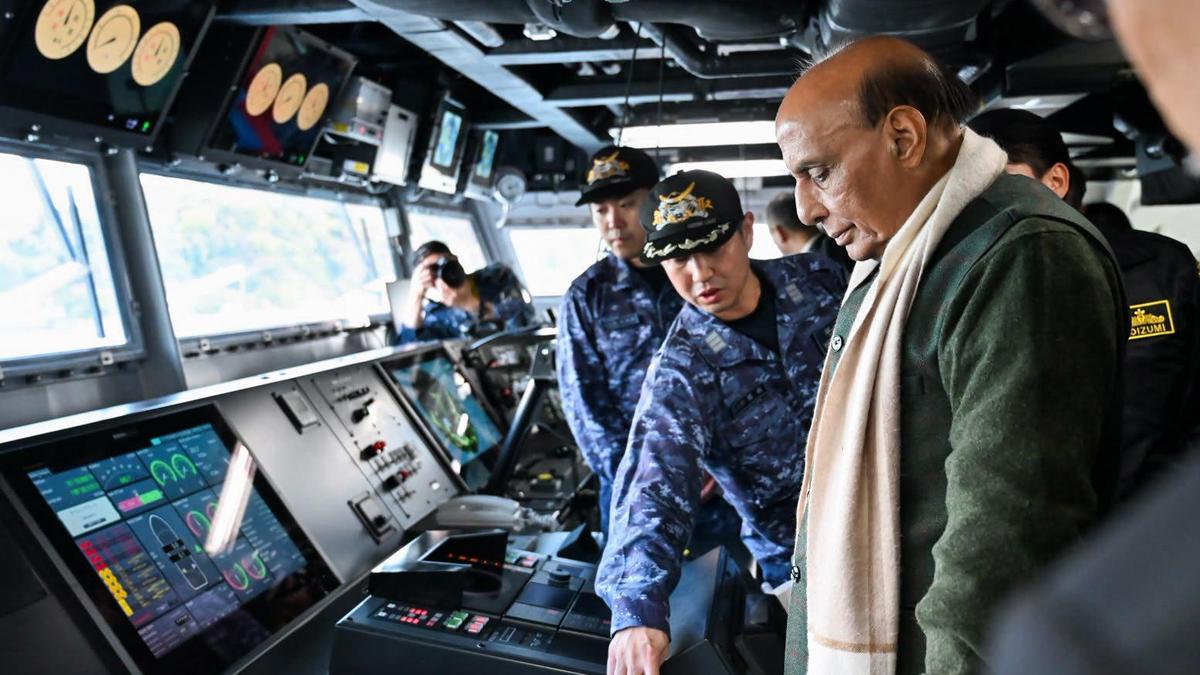
Mr. Singh arrived in Tokyo on Wednesday and began his visit at the Japan Maritime Self-Defense Force naval base in Yokosuka, where he toured the Mogami-class multi-mission frigate JS Natori alongside Mr. Koizumi — a visible signal of the maritime focus of the partnership. On the sidelines of the dialogue, Mr. Singh held a separate bilateral meeting with Mr. Koizumi, their third this year after engagements in New Delhi in August and on the sidelines of the ASEAN Defence Ministers' Meeting-Plus in Cebu in October. Mr. Jaishankar held the 19th India-Japan Foreign Ministers' Strategic Dialogue with Mr. Motegi and also met former Japanese prime minister Fumio Kishida.
Why it matters now
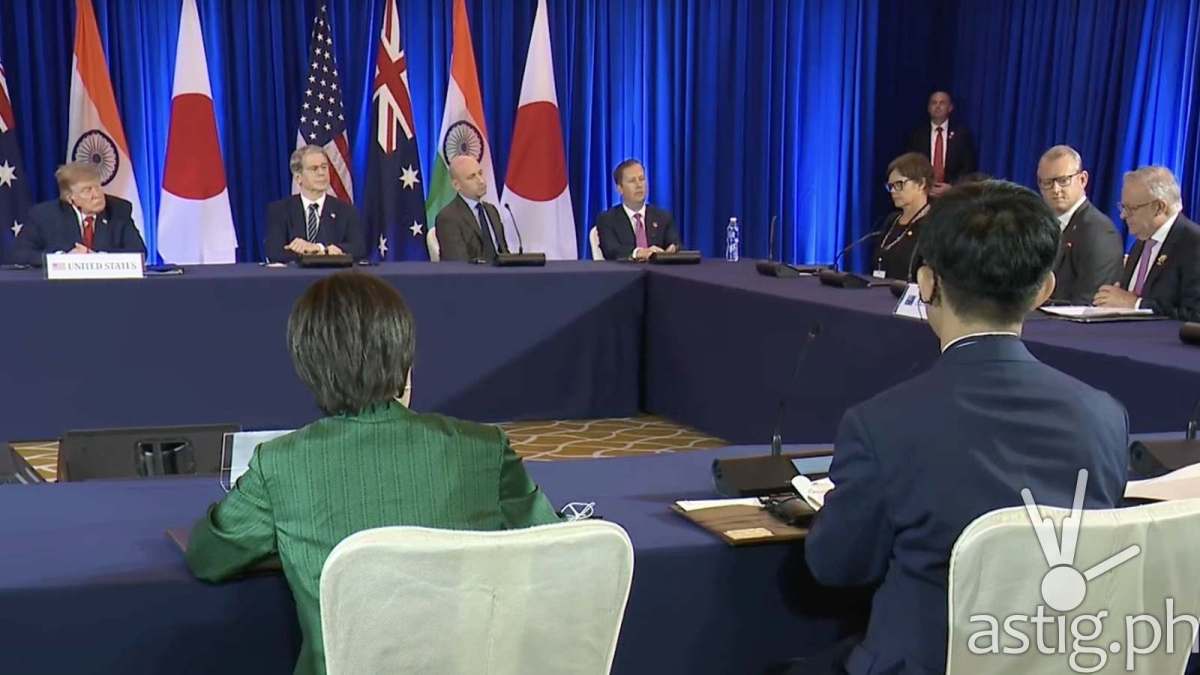
The dialogue comes a day after Prime Minister Narendra Modi concluded a visit to Manila, where he attended a Quad summit with the leaders of the United States, Australia and Japan. With shipping lanes under strain in the Middle East and great-power competition intensifying in Asia, both countries have been steadily deepening practical cooperation, including on defence technology — an earlier meeting between the two defence ministers discussed the proposed transfer of Japan's UNICORN integrated communications antenna system for Indian naval platforms.
For New Delhi, the dialogue is part of a deliberate effort to broaden its defence partnerships beyond its traditional suppliers and to build domestic manufacturing capacity through co-development and co-production. For Tokyo, which has been expanding its own security role in the region, India is an increasingly important partner in keeping sea lanes open and in balancing a more assertive China.
The ministers are expected to issue a joint statement setting out the outcomes of the talks. The test, as with previous rounds, will be whether the political warmth translates into concrete projects — joint exercises, technology transfers and industrial partnerships — in the months ahead.

Comments (0)
No comments yet — be the first to share your view.