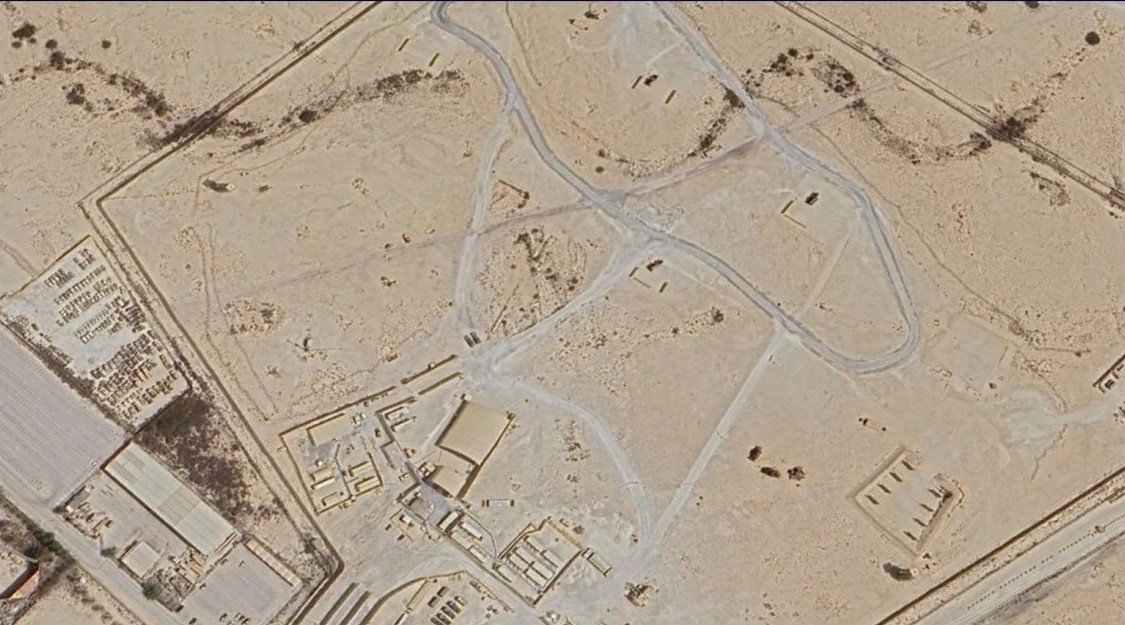
Iran's Islamic Revolutionary Guard Corps said on Sunday it launched six drones at a United States air-defence radar installation at the Al-Riffa helicopter base in Bahrain, calling the attack the second phase of its retaliation against the United States, as tensions across the Gulf escalated sharply.
Bahrain's military said its air defences intercepted and destroyed several Iranian aerial attacks, and the Interior Ministry issued two nationwide alerts urging residents to remain calm, proceed to the nearest safe location and follow official channels. Residents reported a first series of explosions at around 4:00 a.m. local time and a second at around 6:30 a.m., as sirens sounded across the island, though no government has said whether the blasts were interceptions or impacts.
Washington disputed Tehran's account. US Central Command said its forces had shot down two one-way attack drones headed for Bahrain, reporting no injuries or damage, and it denied the Iranian claim that a radar system had been destroyed. The Guard had made a similar claim on Friday, saying it had destroyed an early-warning radar in Bahrain in response to a strike on a telecommunications tower on Iran's Hormozgan coast — a claim Central Command also rejected as false.
Saudi Arabia, meanwhile, said its air defences intercepted two ballistic missiles launched towards Riyadh by Yemen's Iran-backed Houthi movement, and three drones in the kingdom's Eastern Province, according to the Saudi Press Agency.
The Revolutionary Guard's navy separately claimed that two oil tankers had exploded and caught fire after striking naval mines south of the Strait of Hormuz, and again declared the strait closed. The claim is unverified — it named no vessels, and no maritime authority has confirmed a mine strike.
A confrontation that has widened
Bahrain hosts Naval Support Activity Bahrain, home to US Naval Forces Central Command and the Fifth Fleet, and lies less than 300 kilometres from Iran's southern coast. The base was struck with missiles and drones on February 28, the first day of the wider US-Iran confrontation, when the Bahrain Defence Force said it had shot down 45 missiles and nine drones. The Gulf Cooperation Council has told the UN Security Council it holds Iran responsible for thousands of attacks since February and has demanded full compensation. The UN's International Maritime Organization said 25 seafarers had died and many others were injured or remained missing following some 134 incidents in the Strait of Hormuz and the wider Middle East maritime area as of November 11.
Why the Gulf matters
The Strait of Hormuz is one of the world's most important energy chokepoints, carrying around a fifth of global oil supplies. Any sustained disruption to shipping through it would push up oil prices and shipping insurance costs, with knock-on effects for economies far beyond the region — including India, which imports most of its crude through Gulf routes.

Comments (0)
No comments yet — be the first to share your view.