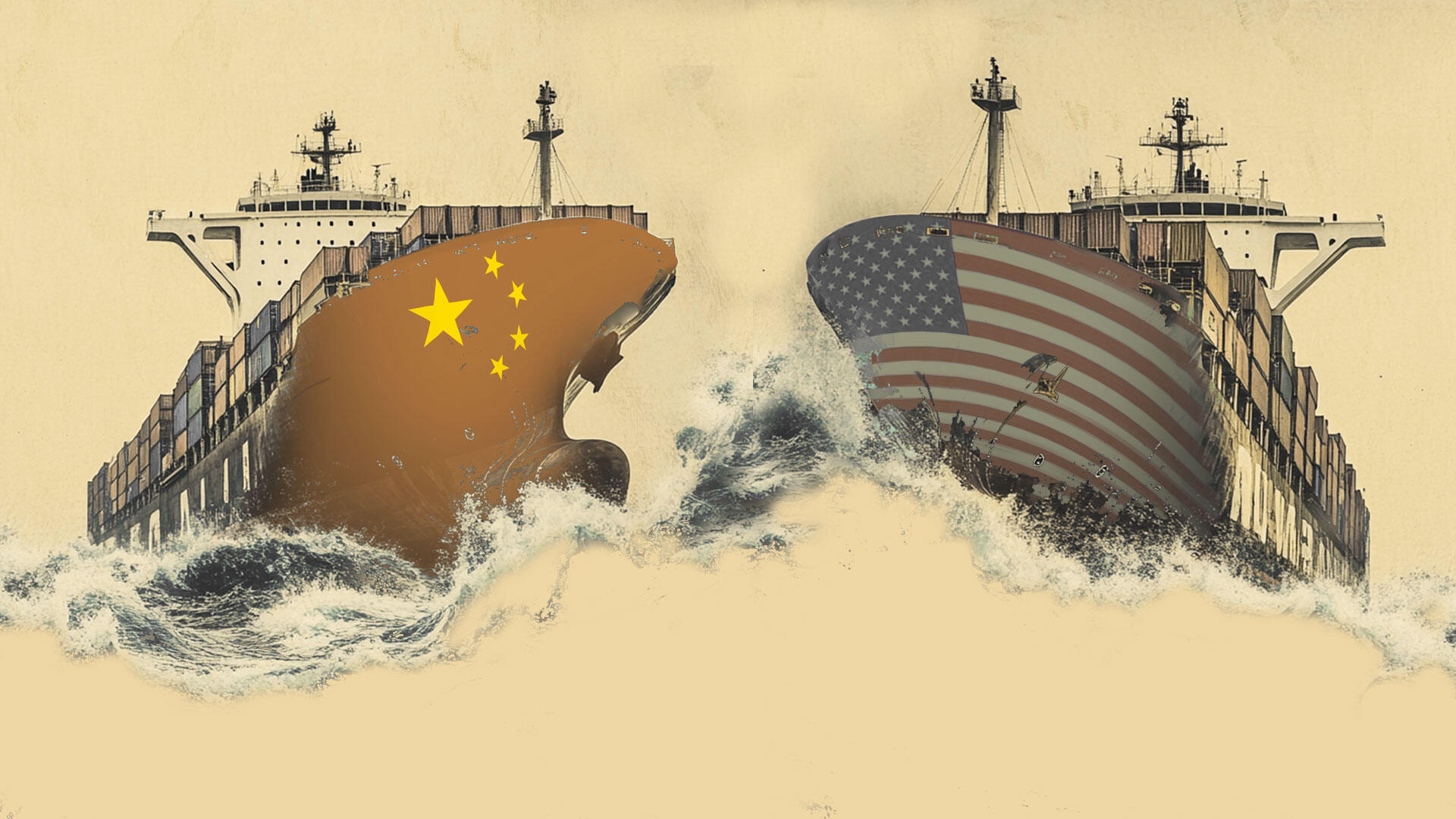
The Trump administration on Wednesday proposed sweeping new tariffs on 14 major trading partners — including China, India, the European Union and Japan — in its biggest trade move since the US Supreme Court struck down the president's earlier blanket duties in February.
The Office of the US Trade Representative (USTR) announced the measures after an eight-month investigation into what it calls "structural excess capacity" in manufacturing, concluding the 14 economies use subsidies and non-market inputs to flood world markets with cheap goods. The tariffs are not yet in effect: public comments are due by 5 January 2027 and hearings start on 25 January, so the duties are unlikely to bite before February.
Who pays what
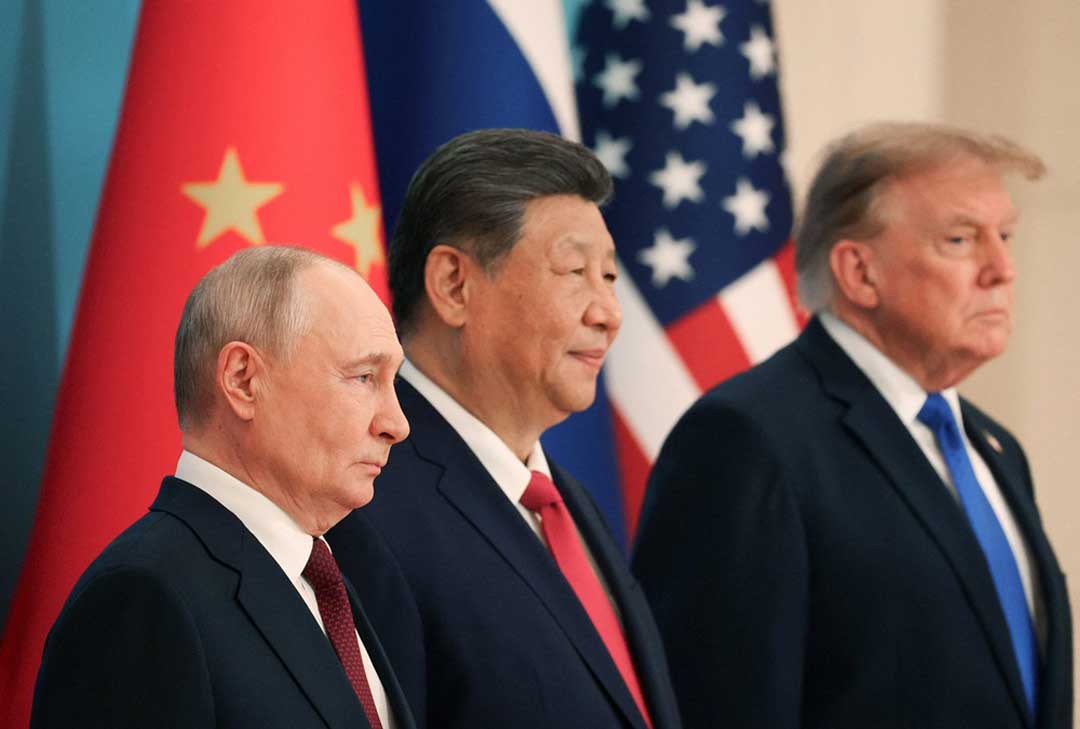
The proposed rates vary sharply. China would face the highest capped rate, 20 per cent, on top of roughly 25 per cent in duties from Mr. Trump's first term — and up to 40 per cent if the US-China trade truce, due to expire on 10 January, unravels. The European Union, Japan, South Korea, Taiwan and Switzerland would face 15 per cent, while Bangladesh, Cambodia, Indonesia, Malaysia and Thailand would face up to 18 per cent.
India, which has yet to finalise a trade deal with the Trump administration, would face up to 25 per cent — falling to 17 per cent if an agreement is reached. Vietnam faces the steepest headline rate, up to 35 per cent without a deal and 20 per cent with one. The duties would not stack on separate national-security tariffs on steel, aluminium and cars, and about $30 billion of Chinese imports may see reductions.
Rebuilding tariff leverage — legally
The move is designed to rebuild Mr. Trump's tariff leverage on firmer legal ground. The Supreme Court ruled in February that the International Emergency Economic Powers Act could not authorise blanket tariffs, so the administration turned to Section 301 of the Trade Act of 1974, a court-tested law for retaliatory duties.
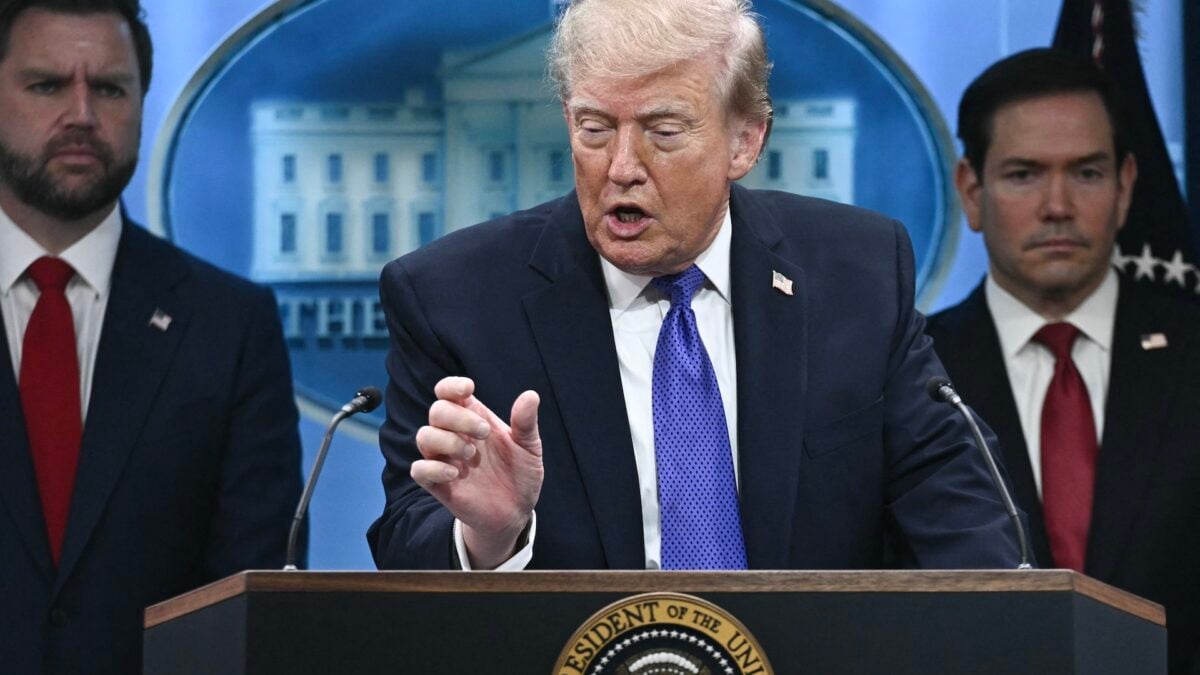
Launched on 11 March 2026 into 16 economies, the probe heard nearly 140 witnesses and received over 1,070 written comments. No determination yet for Mexico or Norway, whose investigations continue. USTR Jamieson Greer said the tariffs would "level the playing field for American workers."
China has rejected the accusations, saying its exports reflect competitive advantages and calling overcapacity a "false issue." Washington's sights span autos, steel, semiconductors, pharmaceuticals, electronics, solar, textiles and shipbuilding; for India, it highlighted pharmaceuticals, steel, solar and information technology.
What happens next
The administration hopes the threat of tariffs will push the remaining countries to finalise trade deals — possibly at a G20 leaders' summit in Miami in December.
At home, the politics are mixed. Mr. Trump's tariffs have contributed to higher prices for American consumers, and a Reuters/Ipsos poll after the Republicans' midterm losses found 62 per cent of respondents would support efforts to repeal them. For the 14 countries, the weeks ahead will decide whether the rates become real duties or bargaining chips in a deal.
Comments (0)
No comments yet — be the first to share your view.