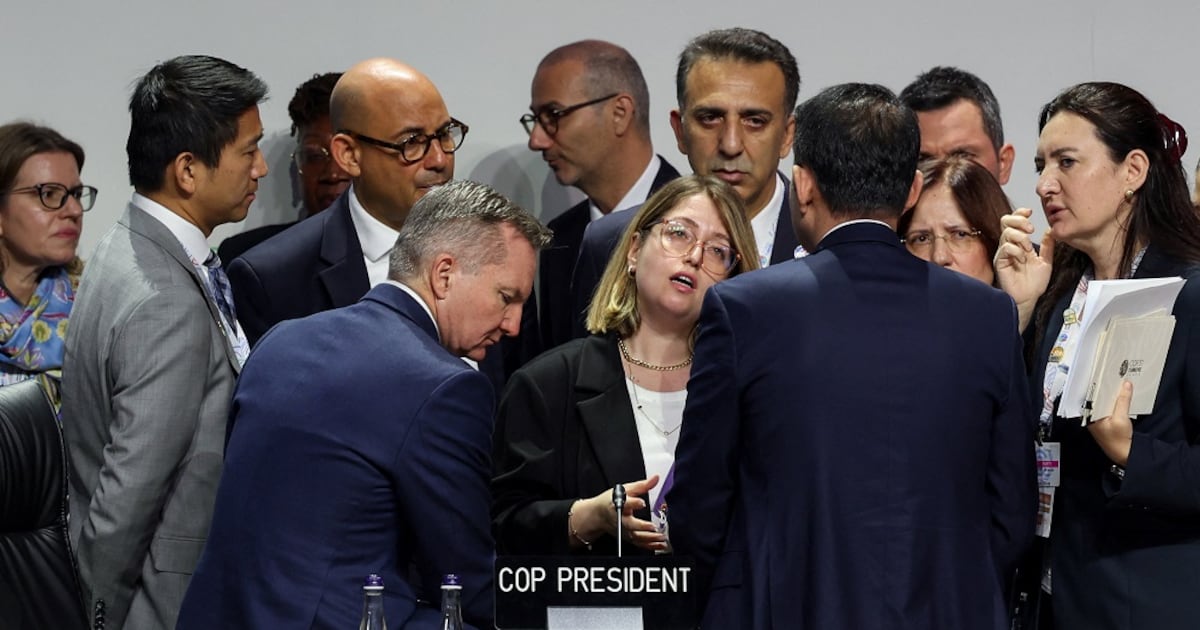
United Nations climate talks in Antalya, Turkey, collapsed on Sunday after the European Union and other countries rejected the final draft agreement, leaving COP31 with no deal — the first no-agreement COP in 17 years.
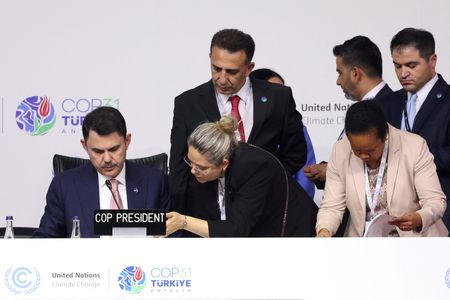
After talks due to end on Friday stretched into the weekend, COP31 President Murat Kurum told the closing plenary the deal was not approved. "It is clear that there are parties in this hall who oppose this text. We recognise that there is no consensus on this document. Therefore, these decisions have not been adopted," he said, adding there would be no new draft.
Why the deal failed
The breaking point was what the text did not say. The ten-page final draft — the Antalya Accords — contained no mention of fossil fuels, oil, coal or a phase-out in its 94 paragraphs. Instead, it recalled the COP28 agreement in Dubai three years ago, which called for transitioning away from fossil fuels, without repeating that commitment.
Ireland's climate minister Darragh O'Brien, speaking for the European Union, formally objected. "It is unconscionable that we would have a climate act that makes no reference to fossil fuel, no reference to transitioning away from fossil fuels," he said. Panama also refused, saying it failed to meet the scale of the crisis, while China accepted it despite concerns, to keep the process moving.
Observers said Saudi Arabia and other major oil producers had pushed to keep fossil fuels out of the text and carbon capture language in. A Saudi delegate argued concrete solutions should not be taken off the table.
What the text offered instead
Its headline goal was to lift electricity's share of final energy use from about 21 per cent to 35 per cent by 2035, backed by some 90 countries. It also aimed to capture one billion tonnes of carbon a year by 2035, and repeated a promise to triple adaptation finance by 2035, with no baseline or dollar amount; a proposed 120-billion-dollar target had been dropped.
It would also have been the first COP outcome to admit the world will overshoot the 1.5-degree limit agreed in Paris, warning peak warming is expected to exceed 1.5 degrees above pre-industrial levels in the next few years. October 2026 was 1.8 degrees warmer than the mid-1800s, according to Berkeley Earth.
What happens now
The last no-deal COP was in Copenhagen in 2009. The collapse comes in a year when wars and living costs have overshadowed the climate agenda, with the United States — the largest historical emitter — absent for a second year after President Donald Trump ended climate cooperation.
The failure does not erase past obligations, but it leaves the process badly damaged, its credibility questioned by the countries most exposed to rising seas and extreme weather. The next summit, COP32, is set for Addis Ababa, Ethiopia, in November 2027 — and it will inherit a process whose central question, whether the world is prepared to name the cause of global warming, remains unanswered.

Comments (0)
No comments yet — be the first to share your view.