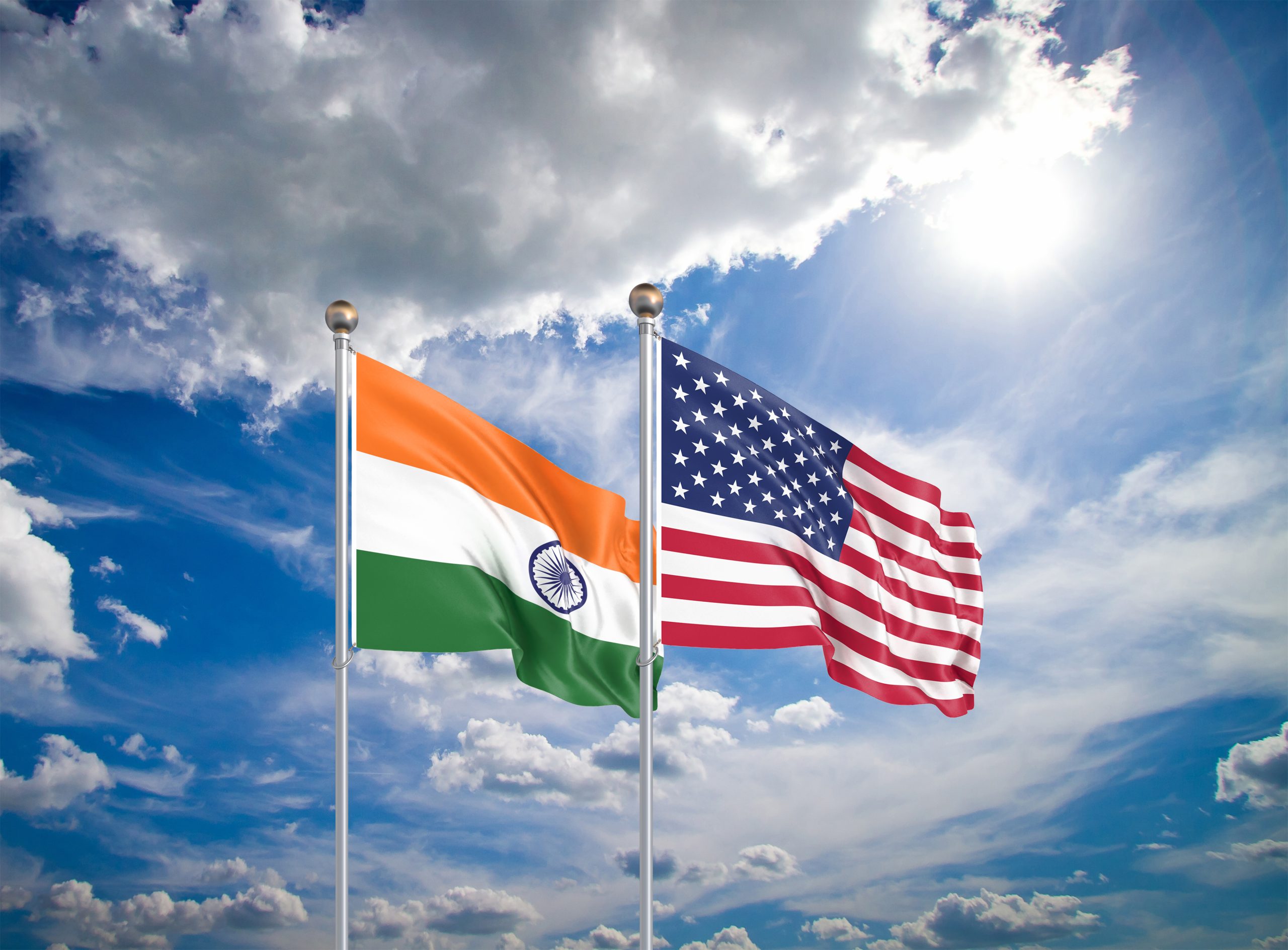
India and the United States are in the final stages of concluding their long-negotiated trade deal, Commerce Secretary Rajesh Agrawal said on Wednesday, though the formal signing will still take time because Washington is rebuilding its tariff system.
Speaking at the curtain raiser of the FICCI Annual General Meeting in New Delhi, Mr. Agrawal said the legal text of the agreement has been negotiated and is nearly complete. "The legal agreement has also been negotiated and it is now in final stages and it will be concluded soon," he said, adding that most aspects of the deal have been more or less finalised.
Why the signing must wait
The deal was announced in February, when the two countries issued a joint statement setting out the framework of an interim agreement. At the time, Indian goods faced a 50 per cent tariff in the United States. Later that month, the US Supreme Court struck down the legal foundation of those reciprocal tariffs, which had been imposed under the International Emergency Economic Powers Act.
Washington is now creating a new tariff architecture, and the deal can only be signed once that structure is in place, Mr. Agrawal explained. The United States has also launched investigations under Section 301 of its 1974 Trade Act: the first, into forced labour, has been completed and has left India with an additional 10 per cent tariff, while a second, into excess industrial capacity, is still under way and could bring further duties.
A promised edge over rivals
Commerce Minister Piyush Goyal has said the United States has acknowledged that India will receive lower tariffs than its competitors under the pact, though the size of that advantage has not yet been fixed and will depend on the outcome of the pending Section 301 investigation. American negotiators were in India at the start of November for talks focused on customs and trade facilitation, and Indian officials hope to wrap up the opening package before the financial year closes in March.
The first phase of the agreement will deal mainly with trade in goods, with services to be taken up in a later round. Mr. Agrawal also said India remains on track to meet its target of $1 trillion in exports in the 2026-27 financial year.
For Indian exporters, the message is mixed: the substance of the deal is largely settled, but the timing of the signature — and the tariff rates that will actually apply — still depend on decisions being taken in Washington.


Comments (0)
No comments yet — be the first to share your view.