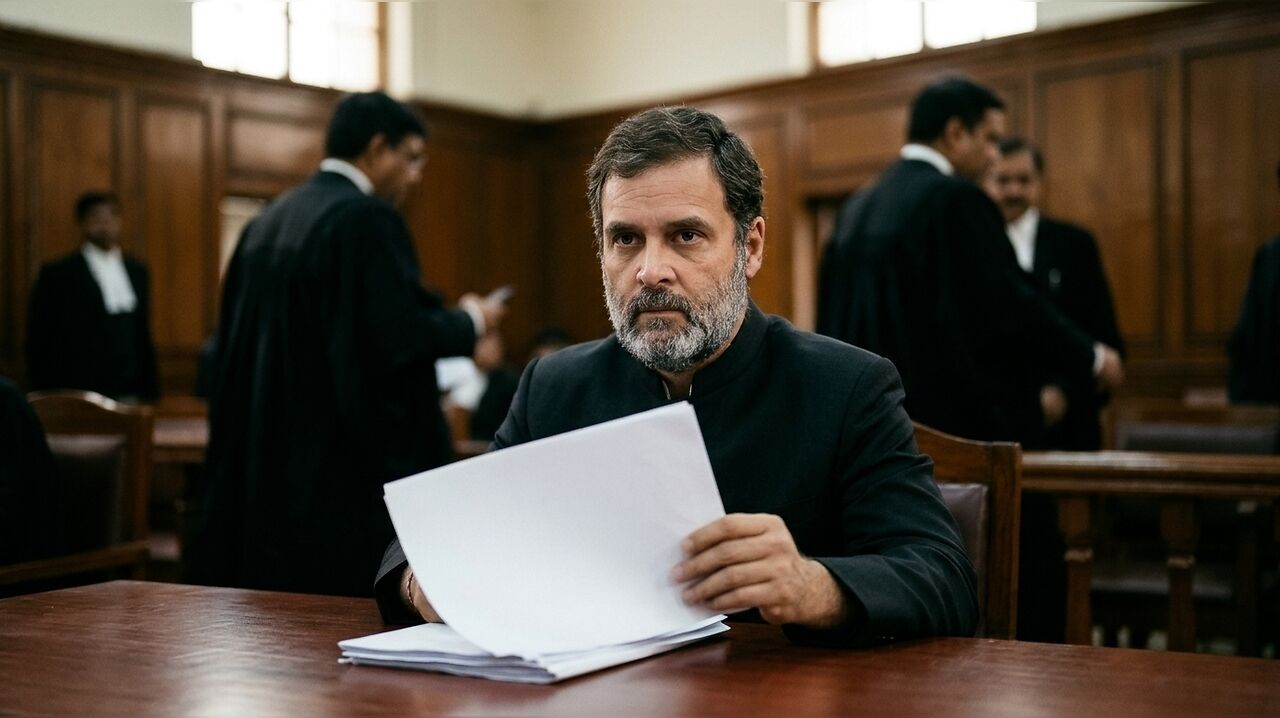
The Supreme Court on Wednesday set aside orders of the Allahabad High Court that had directed the Central Bureau of Investigation (CBI) and the Enforcement Directorate (ED) to verify a complaint alleging that Leader of the Opposition in the Lok Sabha, Rahul Gandhi, possessed assets disproportionate to his known sources of income.
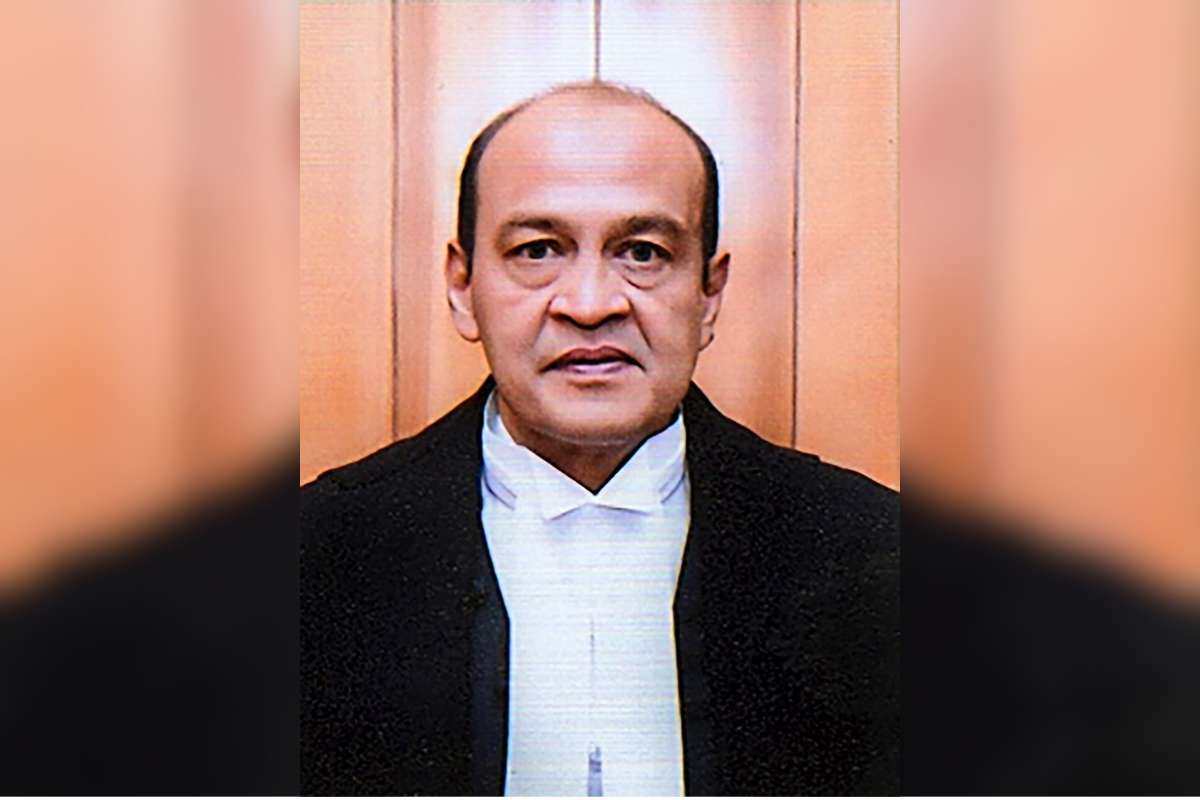
A three-judge bench comprising Chief Justice of India Surya Kant and Justices Joymalya Bagchi and V. Mohana sent the matter back to the High Court for a fresh hearing, directing that Mr. Gandhi be made a party to the case and heard on all issues, including whether the petition itself is maintainable.
What the court ordered
Setting aside all the orders passed by the High Court in the case, the Supreme Court directed that the matter be placed before the Chief Justice of the Allahabad High Court for the constitution of a fresh bench, which will hear it afresh in open court. All contentions of the parties, including those on the maintainability of the writ petition, have been kept open.
The court also rejected a request by the complainant, Karnataka-based BJP worker S. Vignesh Shishir, for the proceedings to be held in camera on the ground that he faced threats to his life. The case will now be heard in open court, with Mr. Gandhi impleaded as a respondent.
How the case reached the top court
The dispute began with a petition filed by Mr. Shishir before the Allahabad High Court, alleging that Mr. Gandhi held assets disproportionate to his known sources of income and seeking an investigation by the central agencies. The High Court directed the CBI and the ED to verify the complaint, and in a July 20 order expressed dissatisfaction with an affidavit filed by the CBI.
Mr. Gandhi challenged the directions in the Supreme Court, where Senior Advocate Kapil Sibal argued that the proceedings were unknown to law and amounted to a "witch-hunt through a process not recognised by law". On August 17, the Supreme Court issued notice on his petition, directed the High Court to defer further proceedings and restrained the CBI and the ED from submitting any report to the High Court. It has also disposed of a transfer petition filed by Mr. Gandhi seeking to move the proceedings from Allahabad to the Delhi High Court.
What the order does not decide
The Supreme Court has expressed no view on the merits of the allegations against Mr. Gandhi, and neither court has yet tested whether the complaint has any substance. The allegations remain unexamined, and both sides remain free to press their full case before the High Court when the matter is heard afresh.
For now, the immediate consequence is procedural but significant: no agency verification of the complaint can proceed under the set-aside orders, and any fresh consideration must begin with the person at the centre of the allegations being heard.

Comments (0)
No comments yet — be the first to share your view.