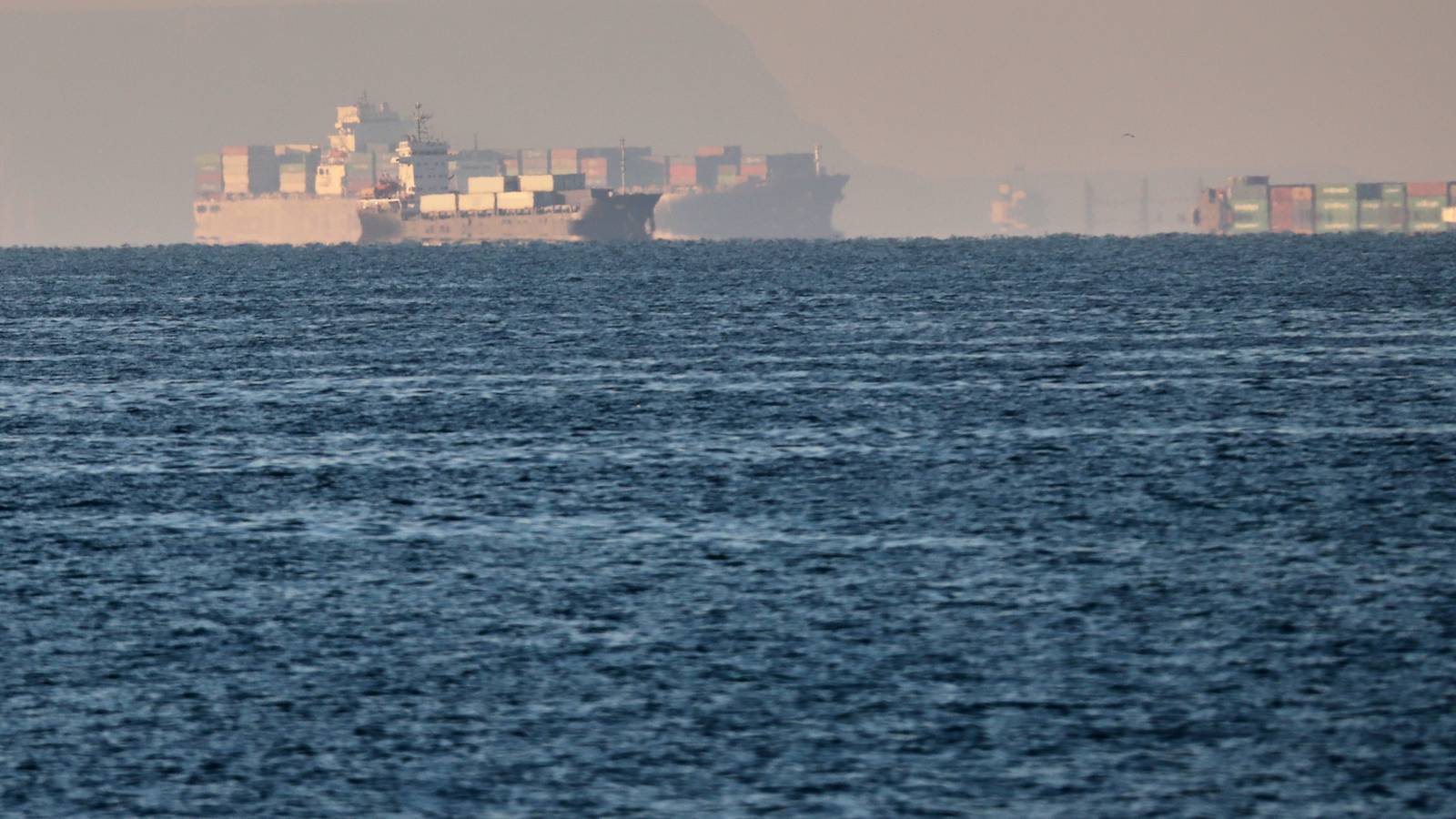
The United States military has disabled a commercial ship in the Gulf of Oman after its crew tried to run the American naval blockade of Iranian ports, the latest escalation in a confrontation over the Strait of Hormuz that is pushing oil prices higher and testing a fragile months-long stalemate.
US Central Command said on Friday that a military aircraft fired precision munitions at the stern of the Palau-flagged bulk carrier M/V Pacific Archer on Thursday, disabling its propulsion after the ship left the Iranian port of Bandar Abbas and ignored multiple warnings. The civilian crew was unharmed, and ship-tracking data listed the vessel's destination as Singapore.
It was at least the 15th vessel the US military has disclosed disabling since the blockade began in the spring, and the sixth since it resumed in July after a pause during talks with Tehran. Washington says it has redirected 158 merchant ships in total.
Tehran vows the strait stays shut
An adviser to Iran's supreme leader responded defiantly. "Neither will the Strait of Hormuz be reopened, nor will we allow the blockade to remain in place," Mohammad Mokhber said, in remarks carried by Iranian state media and reported by Reuters.
Iran's Revolutionary Guard separately claimed on Friday that two oil tankers had tried to transit the strait through an "unauthorised" route north of Oman's Ghanem Island, and that one of them struck a naval mine and caught fire while the other turned back. The Guard named neither ship, and the claim could not be independently verified.
A war in stalemate, a strait under strain
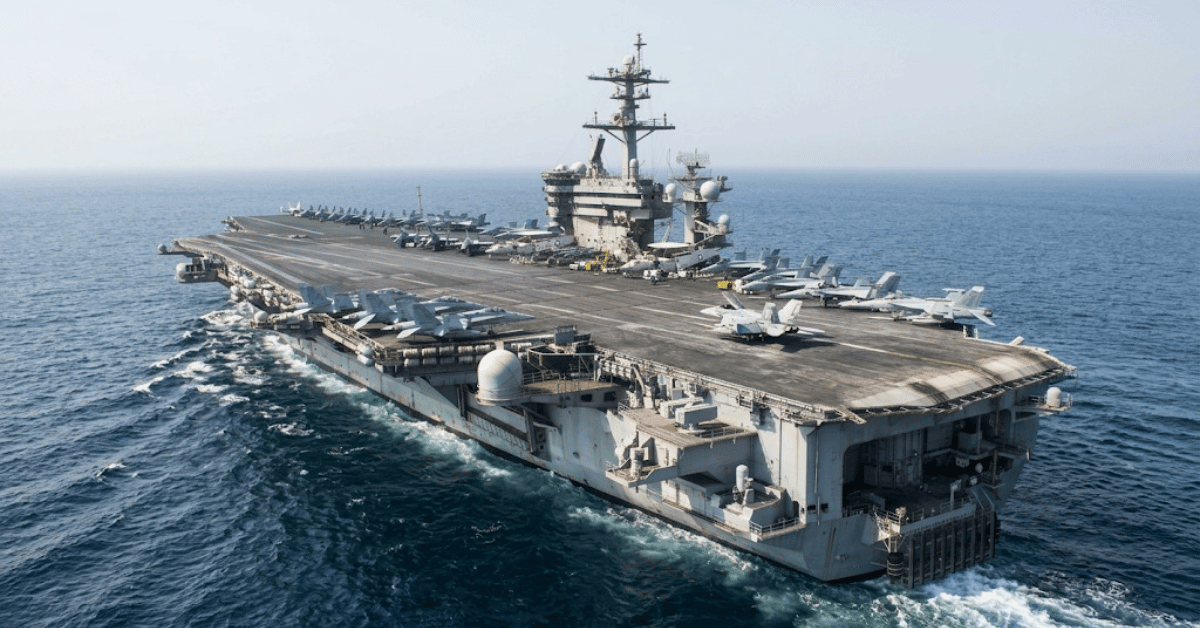
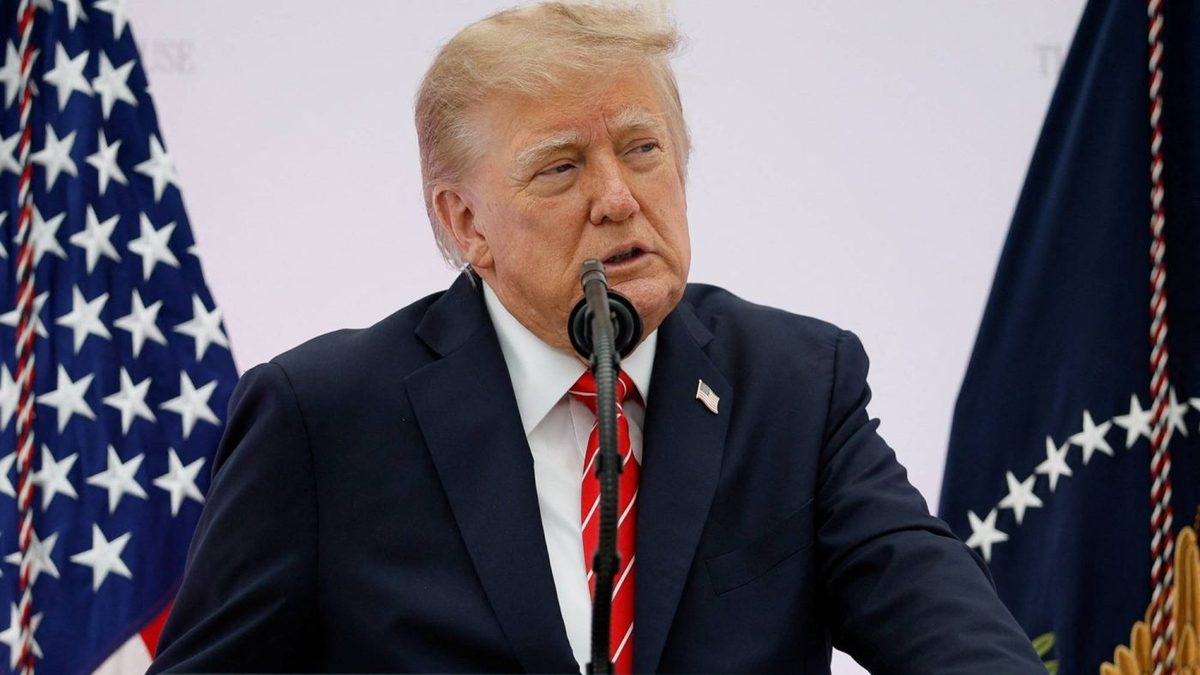
The confrontation comes eight months after the US-Iran war began at the end of February. The conflict has settled into a quiet stalemate, with President Donald Trump oscillating between threatening further large-scale strikes and insisting the war "militarily is effectively over". Two US aircraft carriers remain on station in the region.
The blockade has been in place since April, was lifted during the summer while talks were under way, and resumed in July. It has not been without bloodshed: in June, a strike on a Guinea-Bissau-flagged tanker killed three people, and three Indian sailors died when American forces struck the Palau-flagged tanker Settebello.
The economic pressure is biting. Oil flows through the strait fell by around 20 per cent in the first two weeks of November, to about 13 million barrels a day, according to energy consultancy Rystad Energy, down from 15–16 million barrels a day in October. Brent crude settled at $95.44 a barrel on Friday, up about 3 per cent on the week.
Meanwhile, Gulf states, Pakistan and Turkey have been engaged in a diplomatic campaign — including phone calls with senior US officials — to stave off a renewed war. For now, the strait — through which a fifth of the world's oil passes — remains the world's most dangerous shipping lane.
Comments (0)
No comments yet — be the first to share your view.