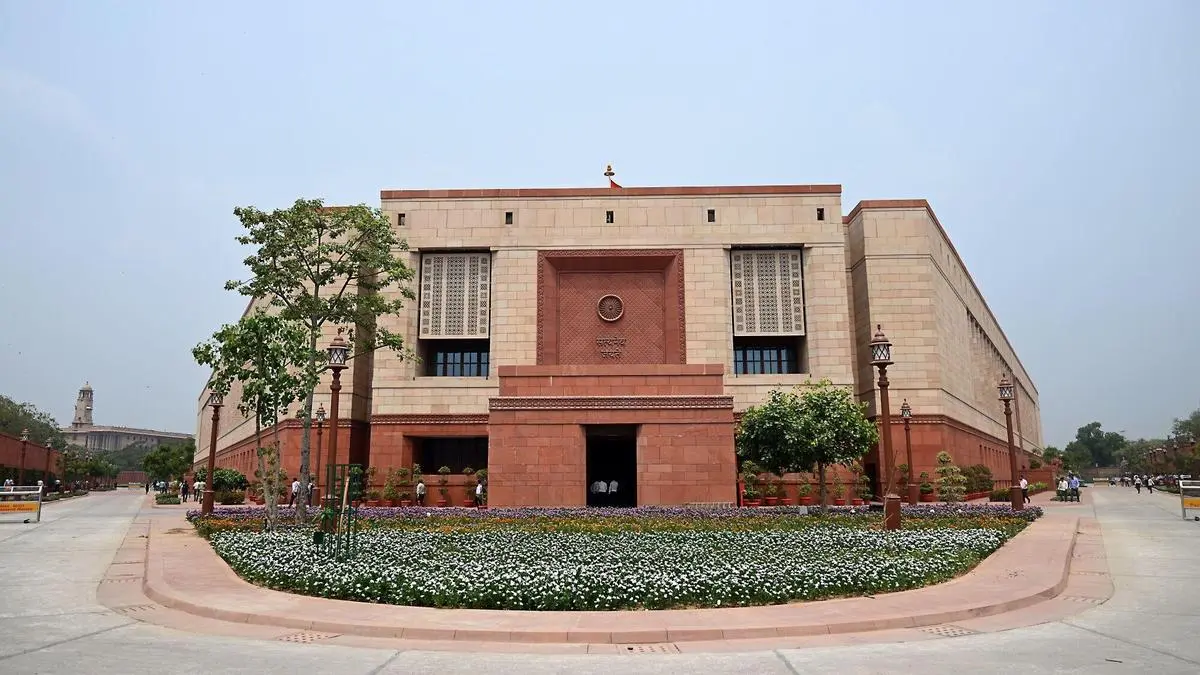
The Union Cabinet on Friday cleared a fresh Constitution Amendment Bill that would redraw India's electoral map on a scale not seen in decades — raising Lok Sabha seats by 50 per cent in every state, freezing each state's share until 2051, and bringing women's reservation into force with the enlarged House.
The Constitution (132nd Amendment) Bill, approved at a Cabinet meeting chaired by Prime Minister Narendra Modi, is expected to be introduced during Parliament's four-day special sitting beginning on Monday — the Lok Sabha on November 30 and December 1, the Rajya Sabha on December 2 and 3. The Cabinet also cleared a companion Delimitation (Second) Bill, 2026, to carry out the redrawing of constituencies.
What the package proposes
Under the proposal, the Lok Sabha's strength would rise from the present 543 elected members to a maximum of 850 — roughly 815 seats for the states and 35 for Union Territories with legislatures.
Crucially, the relative share of seats between states would not change. The current inter-state ratio, based on the 1971 population, would be sealed for another 25 years, until 2051, while constituency boundaries within each state are redrawn using the 2011 Census.
The one-third reservation for women in the Lok Sabha and state assemblies would take effect with the enlarged House — around 270 seats in an expanded Lok Sabha of about 815 members.
Why the government changed course
The package marks a sharp turn from the government's earlier attempt. In April, the Constitution (131st Amendment) Bill — which would have redistributed seats among states on population — failed to secure the required two-thirds majority in the Lok Sabha.
That defeat reflected a long-running fear among southern states, which have controlled population growth more successfully, that delimitation on current population figures would cut their share of seats in Parliament. The new formula answers that concern directly: every state grows by the same proportion, so no state loses ground relative to any other.
The DMK, which opposed the earlier legislation, is now expected to extend conditional support: former Tamil Nadu chief minister M.K. Stalin has insisted the state's existing 7.18 per cent share of Lok Sabha seats must not be reduced — which the new bill delivers. The Nationalist Congress Party (Sharadchandra Pawar) has also formally backed the package.
The numbers in Parliament
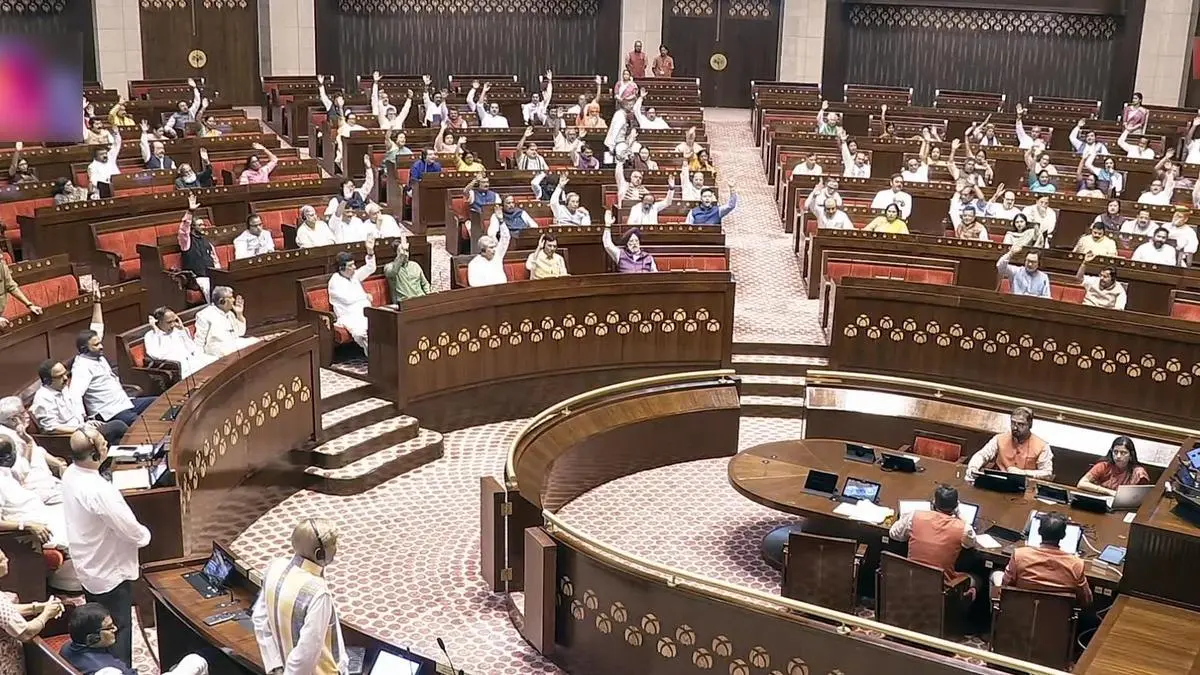
A Constitution Amendment needs a two-thirds majority in both Houses. The ruling NDA, with 20 Trinamool Congress rebels, seven independent MPs, the Shiromani Akali Dal's single MP and the smaller north-eastern parties, accounts for 335 MPs in the Lok Sabha. With the NCP(SP) and the DMK indicating support, the government is likely to cross the 362-vote threshold.
If the bills pass, constituencies would be redrawn well ahead of the 2029 general election, with women's reservation finally taking effect after being passed by Parliament in 2023 but held back pending delimitation. For a country whose last full delimitation was frozen in 1976, the coming weeks will decide the shape of its democracy for the next quarter-century.
Comments (0)
No comments yet — be the first to share your view.