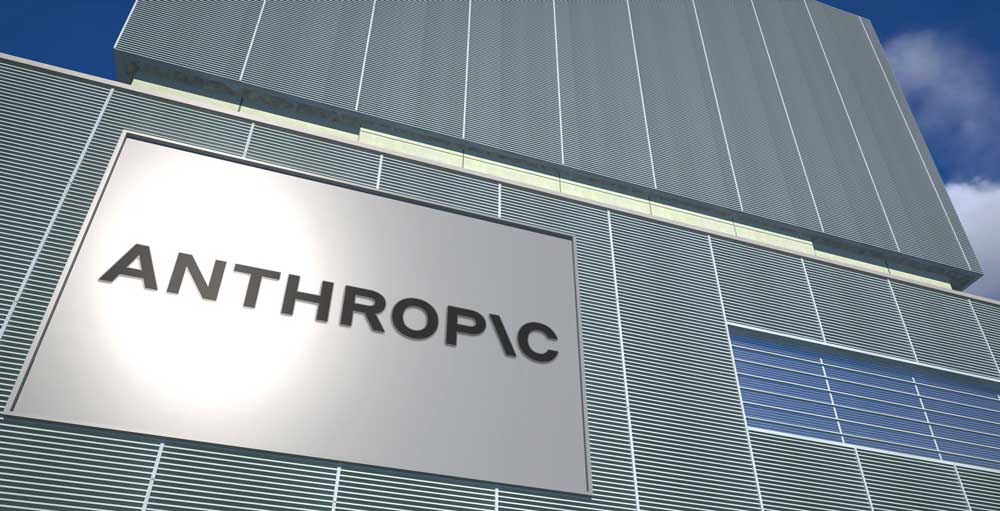
Anthropic, the artificial intelligence company behind the Claude chatbot, closed 17 percent higher on its first day as a public company on Thursday, completing the largest initial public offering in history even as the broader US stock market fell sharply.
The San Francisco-based company priced its shares at $83 on Wednesday evening, above the marketed range of $70 to $78, and sold 980 million Class A shares to raise $81.3 billion. The offering topped the previous record set by SpaceX's listing in June, which had raised $75 billion. A simultaneous $26 billion private placement involving Nvidia, Microsoft and Google brought total proceeds to about $107 billion.
Trading under the ticker ANT on the Nasdaq, the stock opened at $111.50, about 34 percent above the offer price, climbed to an intraday high near $115, and settled at $97.17 by the close. At the IPO price the company carried a fully diluted valuation of roughly $1.5 trillion; by the end of the first session that figure stood near $1.75 trillion. More than 846 million shares changed hands on the day, comfortably ahead of the 522 million traded on SpaceX's opening day.
A five-year rise
The debut caps a rapid ascent for a company founded in 2021 that was valued at around $20 billion as recently as 2024. Anthropic's prospectus showed revenue of $33.24 billion for the nine months to September 30, up roughly 1,200 percent from the same period a year earlier, driven by demand for its Claude models from businesses building AI products.
The company has also disclosed about $900 billion in purchase commitments and lease agreements to secure computing power and data-centre capacity, reflecting the enormous infrastructure spending that frontier AI labs now require. Chief executive Dario Amodei rang the Nasdaq opening bell on Thursday as the company took over billboards in Times Square to mark the listing.
A divided market
Anthropic's first day stood out against a bleak session for the rest of the market. The Nasdaq Composite fell about 2 percent and the S&P 500 lost 2 percent, while the Dow Jones Industrial Average dropped more than 1,100 points, as investors worried about stretched AI valuations and higher interest rates. Shares of Apple, Microsoft, Nvidia and Google all retreated.
Analysts said the contrast was telling: the market is still willing to pay up for the leading AI name, even while questioning the valuations of the rest of the sector. Barron's noted that a first-day gain of 17 percent — sizable but not extreme — suggested the bankers had priced the offering well, while investor Mohamed El-Erian described the move as the market "making room" for AI.
Whether the enthusiasm lasts is another question. Early investors will gain permission to sell shares in the coming months, and the stock's valuation — about 11 times projected 2027 revenue — leaves little room for disappointment. For now, though, the first purely AI company to list publicly has given Wall Street its biggest debut ever.


Comments (0)
No comments yet — be the first to share your view.